
AI agents and high risk: what the Commission's guidelines say
Many companies build their agents in pieces: one reads, another decides and another acts. The European Commission's draft guidelines on high-risk systems make clear that splitting things up does not change the classification: what counts is what the whole does.
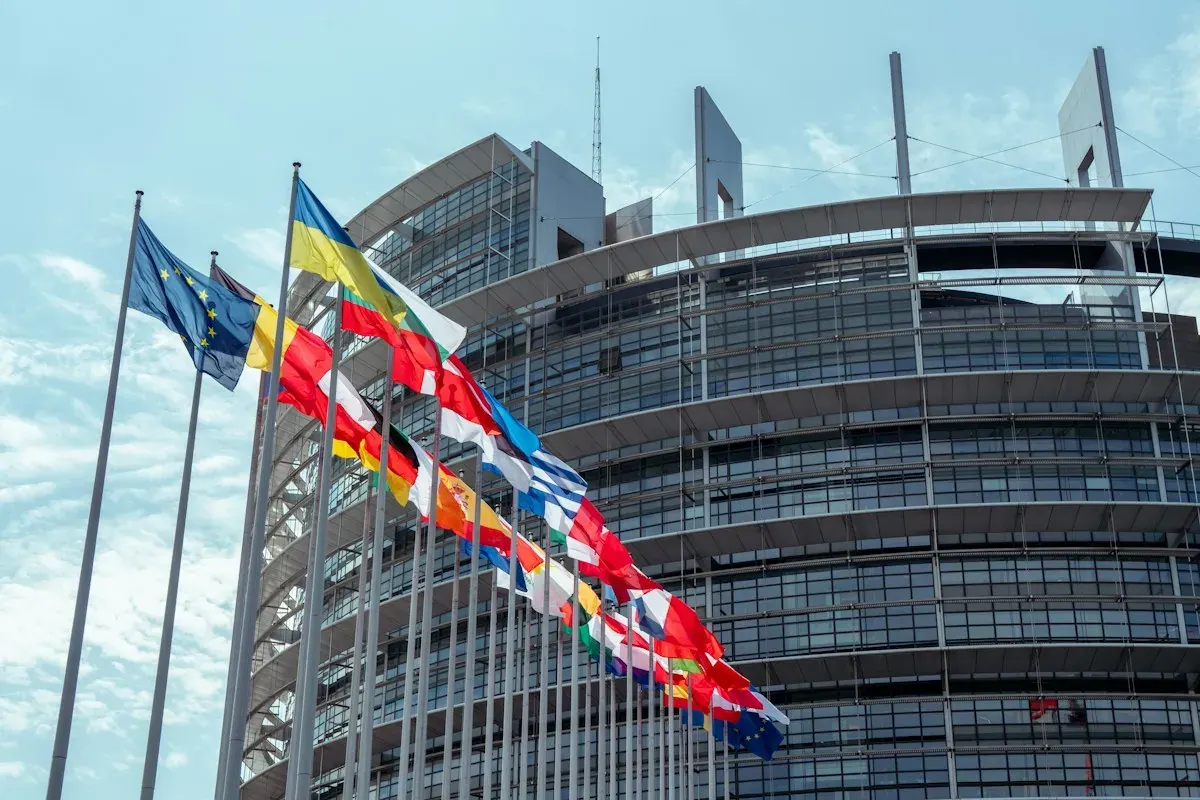
What the Commission published
On 19 May 2026 the European Commission published its draft guidelines for classifying high-risk AI systems under Article 6 of the AI Act. There are three documents: general principles, Annex I systems (AI inside regulated products) and Annex III use cases (employment, credit, education, access to essential services and others). They are not binding, but they show how supervisors will read the law.
They are late: the AI Act required them by 2 February 2026. The final version is expected by the end of 2026, after a public consultation that has already closed.
The key idea for agents: the whole is what counts
The draft states that when several AI components jointly influence a decision about a person in an Annex III use case, the combination is assessed as a single system. It extends that idea to agentic systems that coordinate linked actions serving a high-risk purpose.
Think of an assembly line. It does not matter that each worker only makes one part: what gets assessed is the car that comes out at the end. If one agent filters CVs, another scores them and a third sends the rejection, the whole makes an employment decision, even though none of the three makes it alone.
The aim is to stop anyone from cutting a system into small pieces so that none of them, on its own, looks high-risk.
Two more clarifications that affect you
- Human involvement does not remove high risk. Having someone sign off at the end does not take the system out of Annex III. What changes is how you meet the human oversight requirements.
- Actual use is not required. Classification depends on what the system is intended for, not on whether it has already made real decisions.
What to do now with your agents
- Map the full chain for each agent: what data goes in, which tools it uses, which other agents it calls and what final action it produces.
- Look at the end result, not each piece: does the chain end in a decision about employment, credit, access to an essential service, education or another Annex III area?
- If the answer is yes, treat the whole as a possible high-risk system and write down why you classify it that way (or why not).
- Give the whole chain an owner, not just each agent.
- Review the classification when the final guidelines come out.
In the EU, Annex III high-risk obligations apply from 2 December 2027, after the Digital Omnibus postponement. There is time, but classifying properly takes a while, especially if different teams built the agents.
Frequently asked questions
Does the AI Act have a chapter on agents?
No. An agent is classified like any other AI system, by its use. What the draft adds is that the whole chain is what gets assessed.
Are the guidelines mandatory?
They are not binding and are still a draft. Even so, they reflect how the Commission intends to interpret the law.
What if my agents don't touch any Annex III use case?
Then they are probably not high-risk, although other obligations may apply, such as Article 50 transparency if they interact with people. Write the analysis down anyway.
For information only, not legal advice.
What's your Data Governance maturity?
Free assessment with your priority gaps and the templates on the Data Governance path.